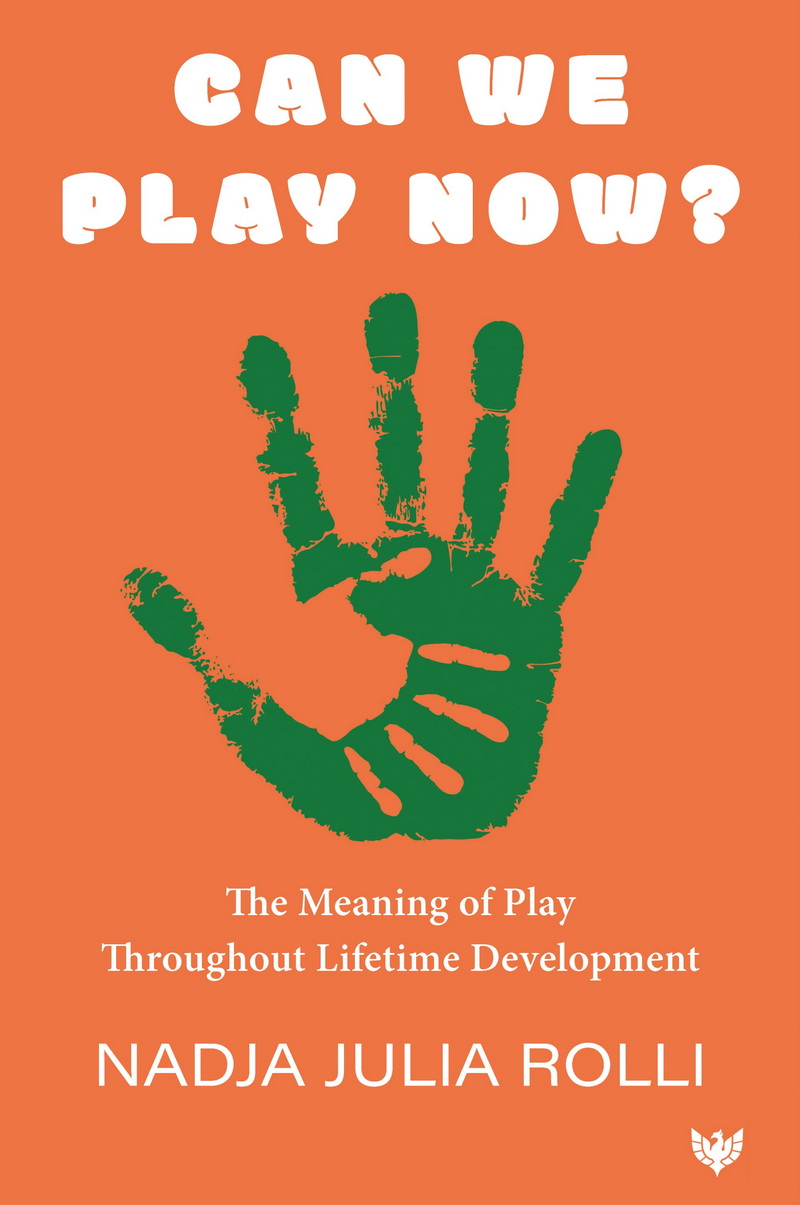
A roadmap to understanding why children, young people, and adults play the way they play and why it really matters

  • Introduces a new framework for understanding play and highlights that play is the architecture of development.
  • Combines insights from neuroscience, cognitive development, psychodynamic psychotherapy, and object relations theories, making complex concepts accessible and applicable to real-life therapeutic settings.
  • Empowers child and adult psychotherapists, educators, and caregivers with evidence-based tools to nurture emotional well- being.
Play comes in many forms, such as solitary play, imaginary play, social play, construction play, and many more. To understand the evolution of play, Can We Play Now? introduces five forms of play: sensory play, attachment play, constructive play, fantasy play, and competitive play. It then links these five forms of play with Maslow’s well-known hierarchy of needs.
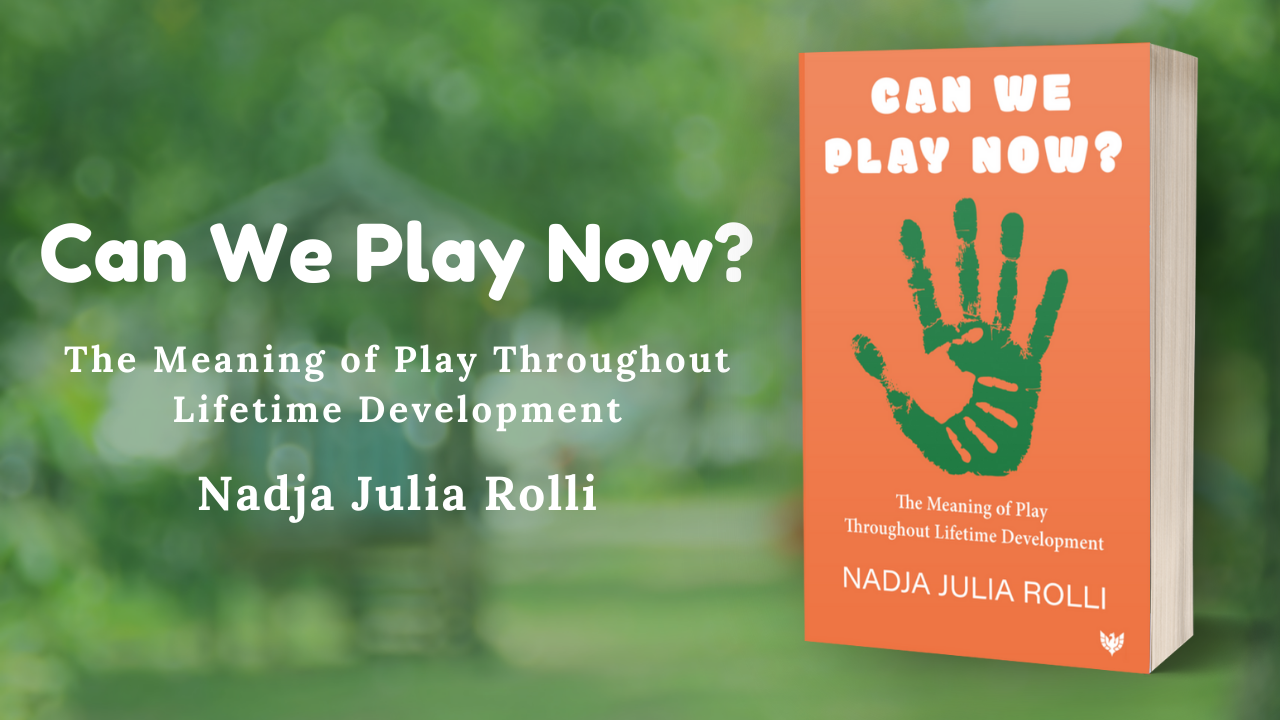
Play then becomes a roadmap to understanding the emotional world and identity formation of a child, young person, or adult, and addresses the specific needs of each developmental stage.
This book is ideal reading for any psychotherapists, parents or other professionals who want to understand the continuing importance of play in a person’s life. Clinical examples are integrated to bring the theoretical background of each chapter to life. It shows that play is not a recreational luxury but a neurobiological and relational necessity through which psychological needs are met and pathways of regulation and imagination are formed.

Media Appearances

PODCAST — March 2026

The Intense Mind with Imi Lo

Nadja discusses the Play Development Paradigm and the emotional significance of play throughout life — from early childhood to adulthood.

Listen to Episode →

VIDEO

Get the free Play Development Paradigm framework

Enter your email below and we’ll send you the framework overview, plus occasional insights on play, development, and the PDP.